
Chhange's 44th Annual Colloquium
June 8, 2026
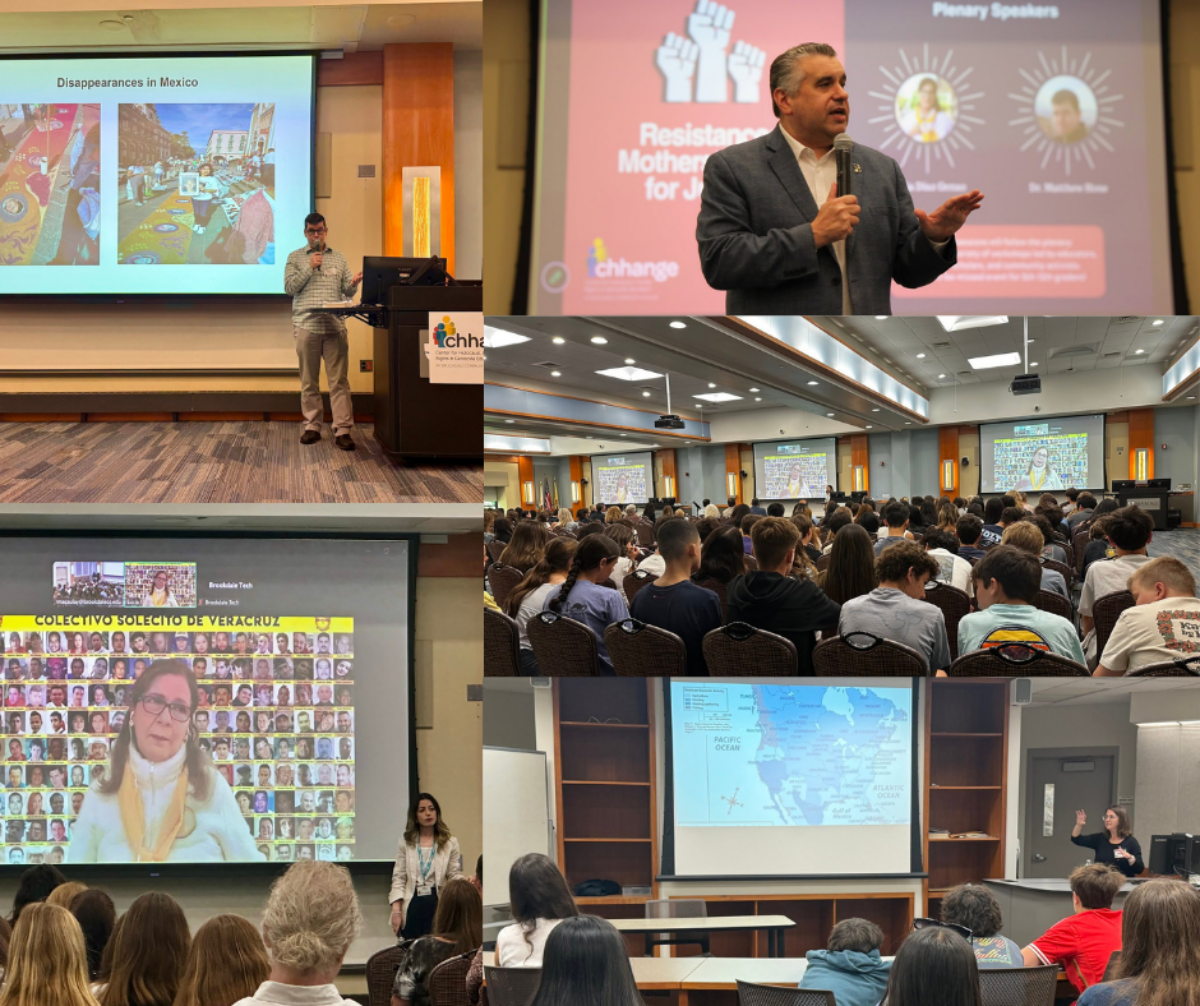
Powerful conversations, meaningful storytelling, and community in action were on display May 20, 2026, at Chhange’s 44th Annual Colloquium: "Resistance: Mothers’ Quest for Justice."
From the moving plenary on enforced disappearances in Veracruz, Mexico with Lucia Diaz Genao and Dr. Matthew Hone, to breakout sessions and a student art installation exploring resistance, justice, identity, and memory — thank you to everyone who made this year’s colloquium so impactful.
Snapshots of the entire day are in the collage at right and more information about the breakout workshops are below. These sessions were led by our local Survivors, Second Gens, educators, scholars, and community activists. They covered a variety of topics including family histories of the Holocaust, reflections on LGBTQIA+ history, experiences of Native American children in U.S. government-sponsored boarding schools, and injustice in the Mexican state of Chiapas. Participants also had the opportunity of exploring the role resistance plays in shaping Black Identity and learning how to confront conspiracy theories and rebuild trust: all incredibly timely and crucial topics. Please consider joining us next year!
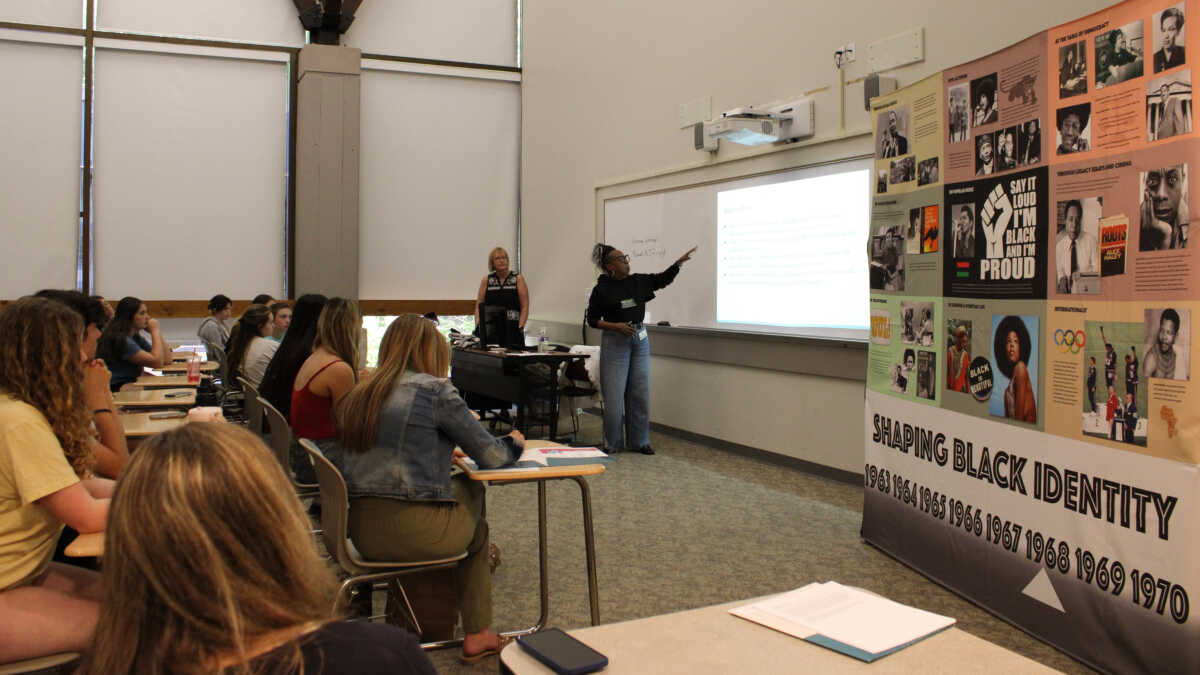
Executives from the T. Thomas Fortune Cultural Center in Red Bank, N.J., at left, presented "Shaping Black Identity."
At the whiteboard, Executive Director Gilda Rogers, right, and Education Coordinator Holly Kluck, left, explored how the Black Press has been shining the light of truth on injustice ever since the first Black Newspaper was published almost 200 years ago.
The interactive presentation focused on the role resistance plays in shaping Black Identity and students used what they learned to discover which of their own life experiences contributed to their own identities.
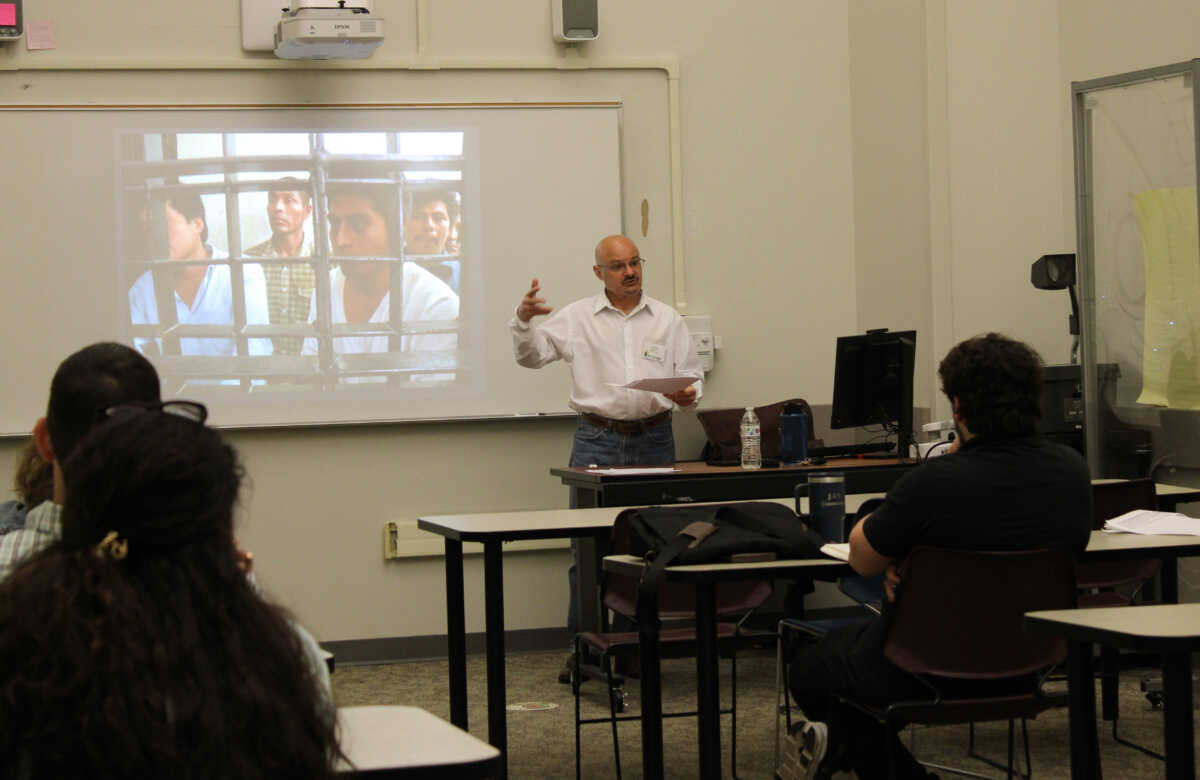
Brookdale Prof. David Bassano, right, traveled to the Mexican state of Chiapas with SiPaz, an international peace and justice non-governmental organization, several years ago. He was permitted to visit a local prison in San Cristobal and interview prisoners. It was clear from their testimonies that, as various international bodies have reported, there are very serious problems within the justice system of Mexico, including bribery, false arrests, and torture. For his workshop, "Injustice in Chiapas," Bassano reported the details of his visit within the context of a wider analysis of the Mexican situation.
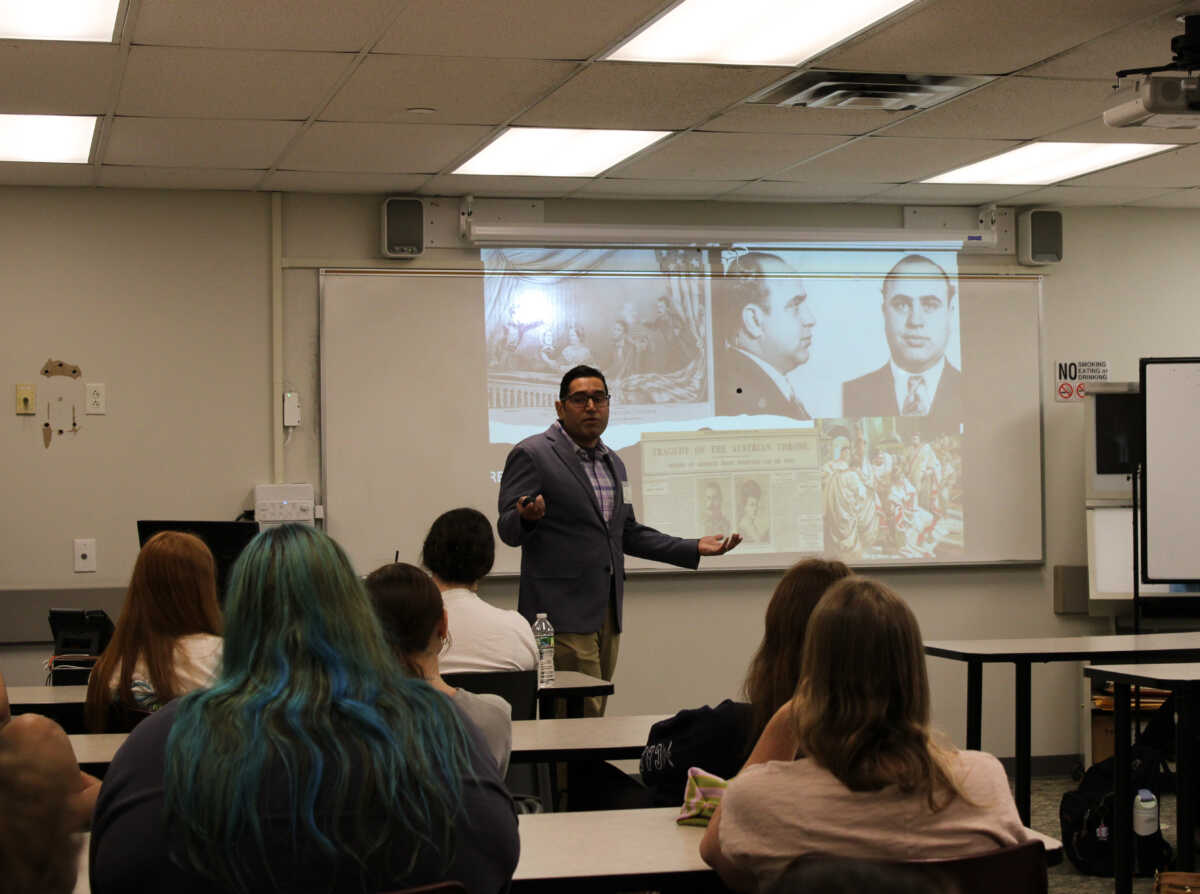
In an age defined by misinformation and division, conspiracy theories have eroded public trust and weakened our shared democratic values. Brookdale Prof. Christian Perez, left, examined how conspiracy narratives take root, spread, and ultimately corrode civic dialogue and faith in democratic institutions during his workshop, "The Courage to Confront Conspiracy: Rebuilding Trust in a Time of Mistrust."
Drawing from recent examples and social science research, this session explored how fear, isolation, and digital echo chambers contribute to the spread of conspiratorial thinking. It also offered practical strategies citizens can use to counter misinformation in their own circles, through critical thinking, civic education, and compassionate engagement.
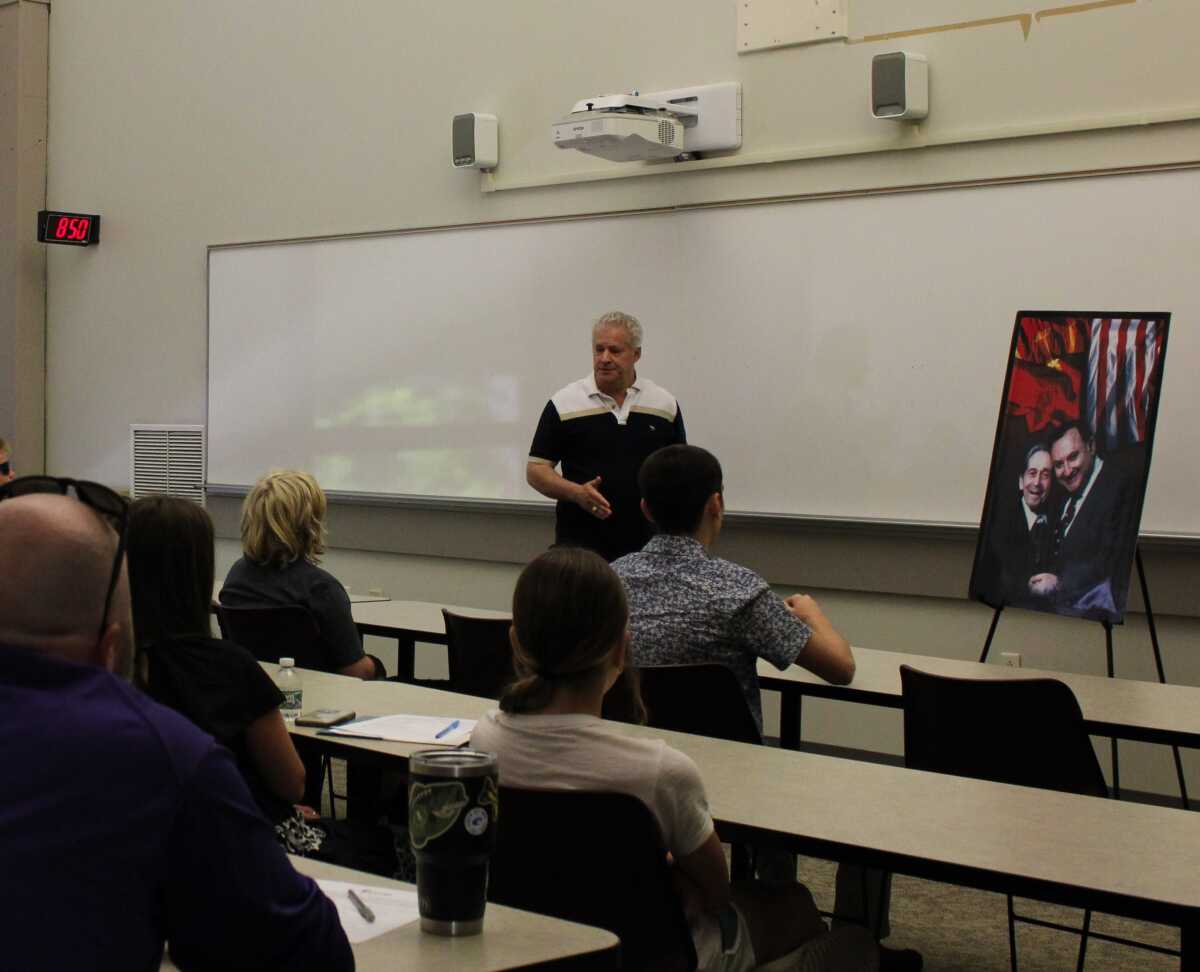
Jeffrey Zeiger, right, is a Second Generation Survivor whose family survived the Holocaust because they were saved by a non-Jewish neighbor Anton, the town fool. His grandmother was the only one in the town who treated Anton with respect. This workshop focused on the horrors Zeiger’s family experienced, how they survived, and what happened afterward. The story had three main morals that apply to life today: respect; if you do good, good will come back to you; and the impact that one person can have in this world.